Brought to you by:
VASC.AI: Canadian vascular surgery researchers develop vascular-specific bot aimed at aiding education and clinical practice
The advent of large language models such as ChatGPT (Open AI) has left little of the world untouched—and a quintet of University of Toronto vascular surgery researchers are bidding to harness this mode of artificial intelligence (AI) and refine it…
Novel AI-assisted DVT diagnostic pathway aims to ‘democratize’ point-of-care ultrasound
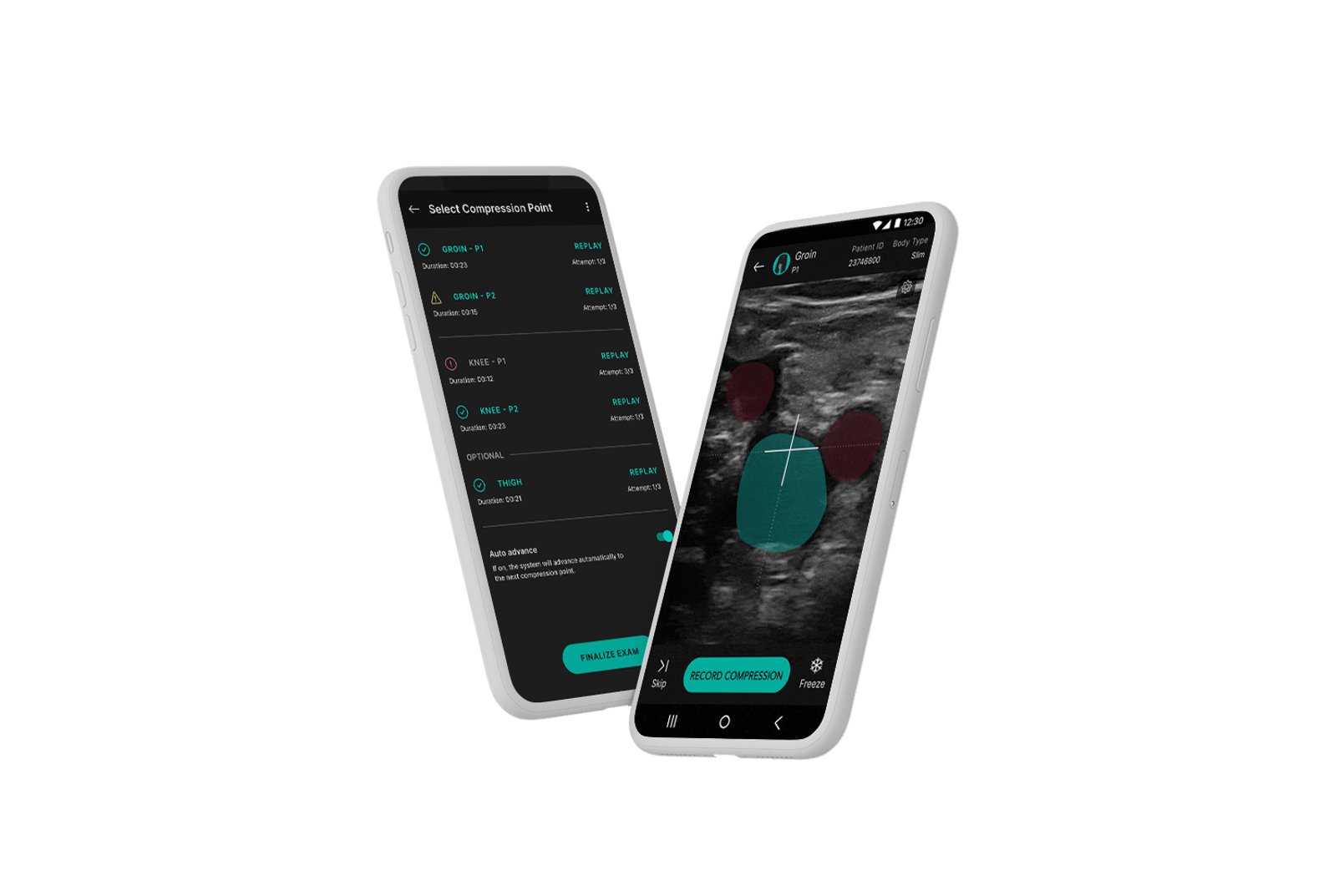
A new deep vein thrombosis (DVT) diagnostic pathway incorporating non-expert artificial intelligence (AI)-guided compression ultrasound could reduce workload and costs for healthcare systems while providing a quicker diagnosis and improving patient care. Efthymios (Makis) Avgerinos, MD, of Athens, Greece, shared…
Thrombolex and Aidoc announce strategic partnership to advance breakthrough PE treatment
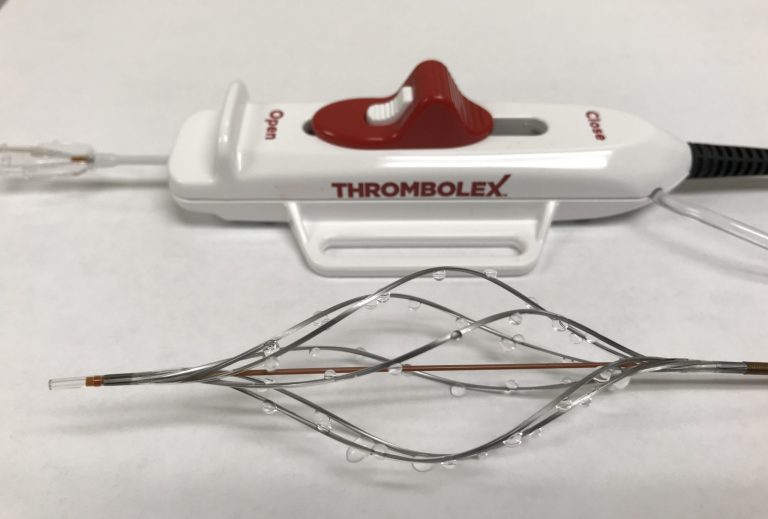
Thrombolex and Aidoc have announced a strategic partnership aimed at revolutionising the treatment of acute pulmonary embolism (PE), a press release reports. This strategic collaboration, the release details, will leverage Aidoc’s artificial intelligence (AI) technology to accelerate patient identification and…
Artificial intelligence: Breakfast session explores opportunities and risks for vascular surgery

The advent of artificial intelligence (AI) in vascular surgery holds great promise to optimize the delivery of care, with prospective uses including patient selection and procedural planning. Yet, challenges remain. Many still view AI with suspicion, and important ethical and…
The ability of ChatGPT to further patient education and aid surgeons
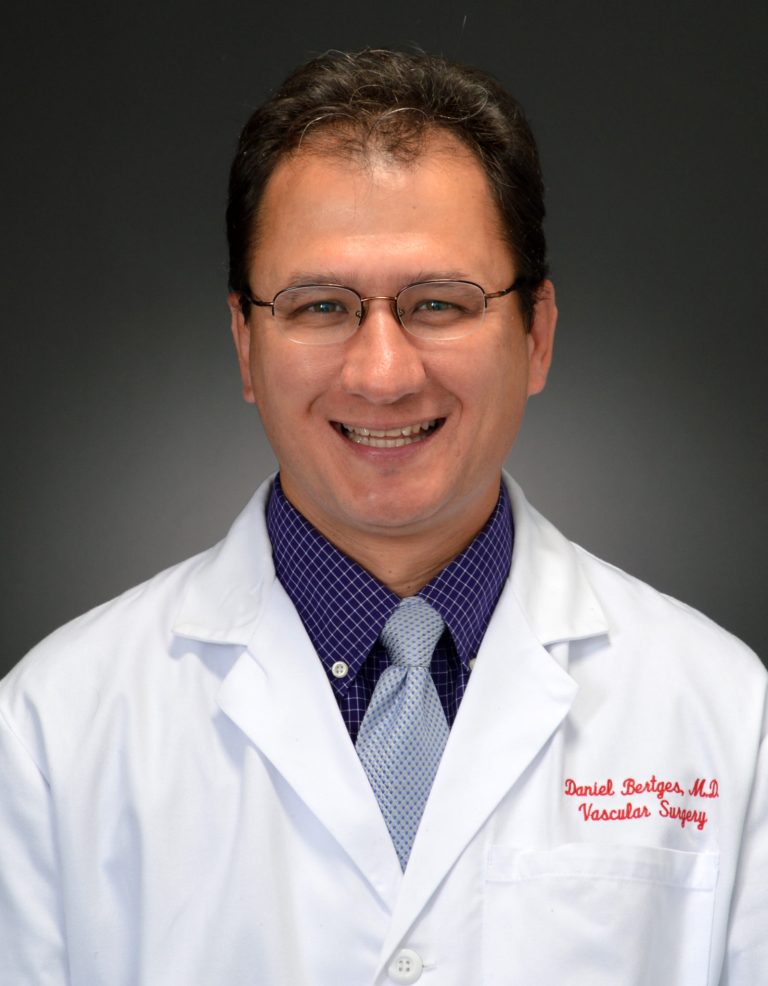
ChatGPT 4.0 was able to provide a mean accuracy rating of 4.4 on a Likert scale of 5 (1=very poor; 5=excellent) across 15 patient-level questions designed to assess the ability of the artificial intelligence (AI)-driven large language model to provide…
Research provides ‘stepping stone’ for future application of AI in vascular surgery
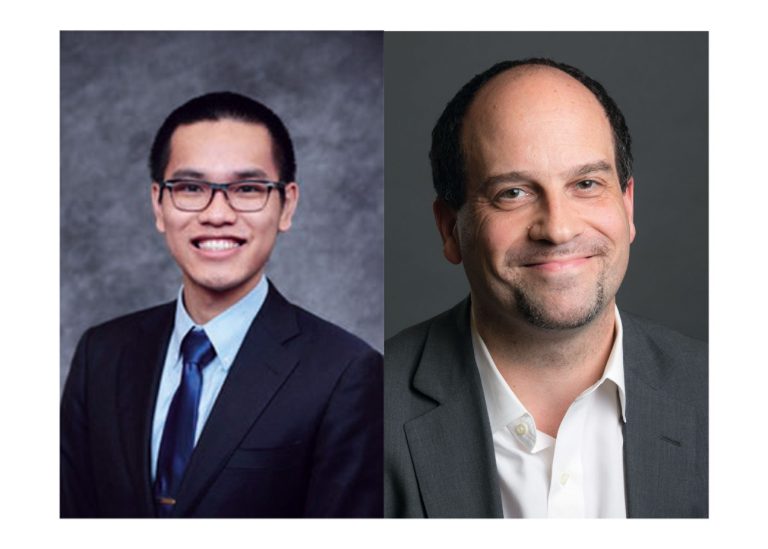
New research on Chat generative pre-trained transformer (GPT) technology and its Vascular Education and Self-Assessment Program (VESAP) success rate provides insight into the future of artificial intelligence (AI) in vascular surgery training and practice, investigators Michael Amendola, MD, and Quang…
Personalized, precision medicine is key to the future of aortic repair

Predicting longevity in patients who may be candidates for aortic repair is challenging. This, coupled with a high and unchanging long-term postoperative mortality rate, begs the question: are patients living long enough to benefit from aortic repair? Bijan Modarai (King’s…
Adoption of AI into workflow associated with faster time to assessment of PE patients
An abstract presented at the 2024 American Venous Forum (AVF) annual meeting (March 3–6) revealed that, in the treatment of patients with pulmonary embolism (PE), the implementation of artificial intelligence (AI) software has been linked to a shorter time to…
University of Pittsburgh awards $100,000 grant to SVS member for AI-based healthcare project
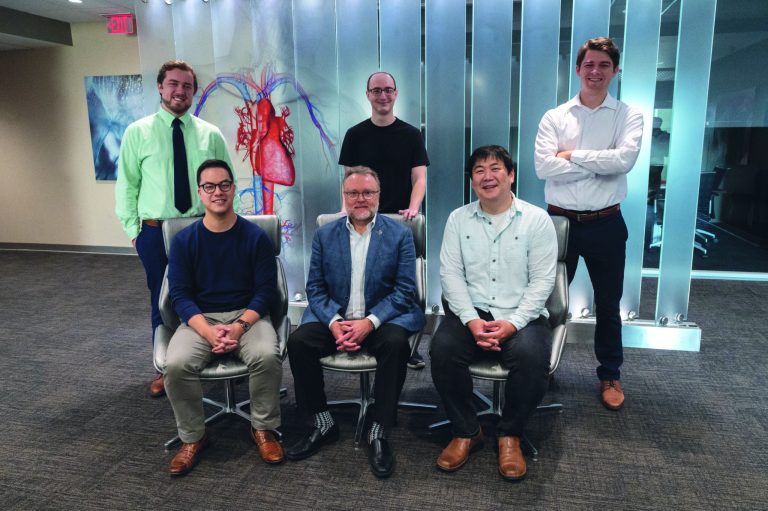
Last October, the University Pittsburgh’s Clinical and Translational Sciences Institute hosted its 10th Pitt Innovation Challenge (PinCh), providing a total of $550,000 in prizes, with the top-three winners each receiving a $100,000 grand prize. PinCh 2023 announced that SVS member…
EVS 2023: Putting artificial intelligence to use in vascular practice
The potential for large language-learning models like ChatGPT to take over tedious writing tasks such as emails and parts of PowerPoint presentations—or even be put to use to help collate Current Procedural Terminology (CPT) code data—was put to attendees of…