Brought to you by:

Corner Stitch: Navigating the technology landscape as a vascular trainee

I vividly recall sitting in the back of the conference room as a medical student and marvelling at the various approaches that could be used to solve vascular problems during the weekly “indications conference.” Every Monday morning, the creativity displayed…
New analysis of chronic limb-threatening ischaemia patients places BEST-CLI trial into context within real-world setting

A new analysis of chronic limb-threatening ischaemia (CLTI) treatment outcomes was presented today as late-breaking clinical research at the Society for Cardiovascular Angiography & Interventions (SCAI) 2023 Scientific Sessions (18–20 May, Phoenix, USA), a press release reports. Following the initial…
A vascular mission: Defying assumptions in the fight against amputation in disadvantaged areas
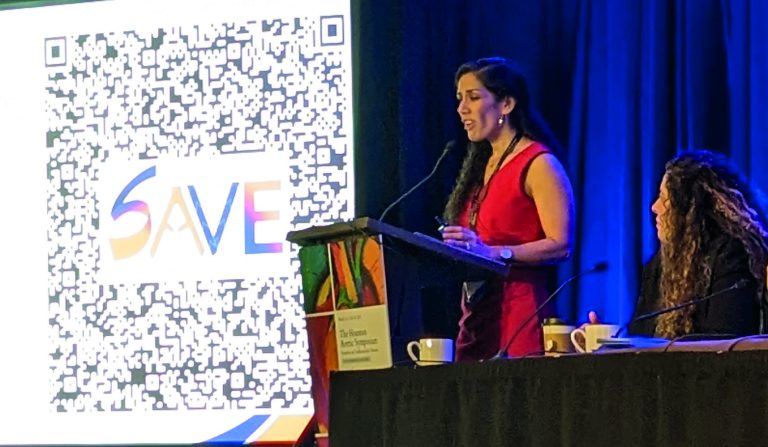
Lyssa Ochoa, MD, is used to the assumptions. One: ”What a nice program you have.” Another: “It must be so nice that you can give away all of this charity care.” Ochoa is the founding vascular surgeon behind the SAVE…
New ‘biopsychosocial’ roadmap set out to address PAD treatment and mental health impacts

A recent proposal has called for “whole-person, multidisciplinary interventions” after an interrogation of the interplay between lower extremity peripheral arterial disease (PAD) and mental health impacts. Published in the Journal of The American College of Cardiology, researchers have put forward…
Reinterventions after physician-modified endovascular grafts ‘non-detrimental’ to long-term survival
For the treatment of juxtarenal aortic aneurysms, reinterventions after physician-modified endovascular grafts (PMEGs) are non-detrimental to long-term survival. This is one of the main findings of a recently published study by Ayumi Tachida (University of Washington School of Medicine, Seattle,…
Study finds no correlation between TEVAR timing and uncomplicated type B aortic dissection outcomes

With proper patient selection, short-term outcomes of thoracic endovascular aortic repair (TEVAR) in acute uncomplicated acute type B aortic dissection (uTBAD) are similar irrespective of the timing of treatment after dissection. This is according to a study recently published in…
Efforts to move towards routine patch closure or eversion endarterectomy among all carotid surgeons “warranted”

A nationwide cohort study of over 9,000 patients shows that the “controversial” practice of arteriotomy closure for carotid endarterectomy (CEA) is associated with an increased risk of ipsilateral stroke and “should be avoided”. Instead, authors Magnus Jonsson (Karolinska University Hospital,…
Primary patency after venous stenting best in NIVL patients, study finds
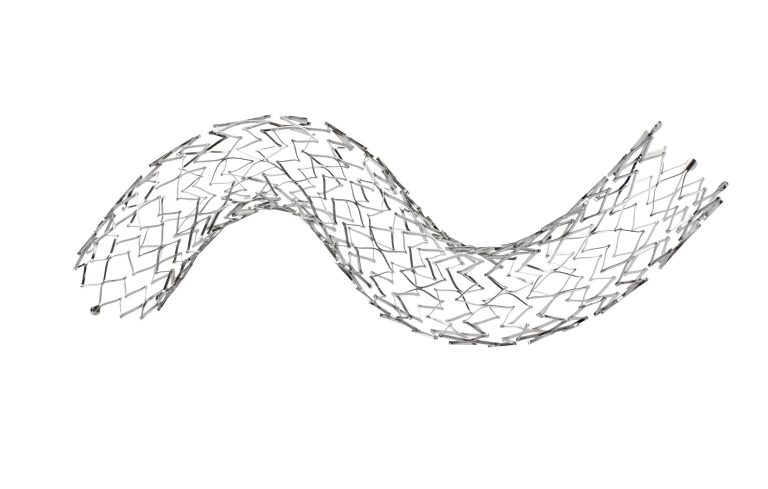
A recent study concludes that non-thrombotic iliac vein lesion (NIVL) patients have better primary patency after venous stenting than patients with venous thrombotic disorders. Olivier Espitia (CHU de Nantes, Nantes, France) and colleagues report this main finding from a multicenter…
CX 2023: Venous, we have a perception problem
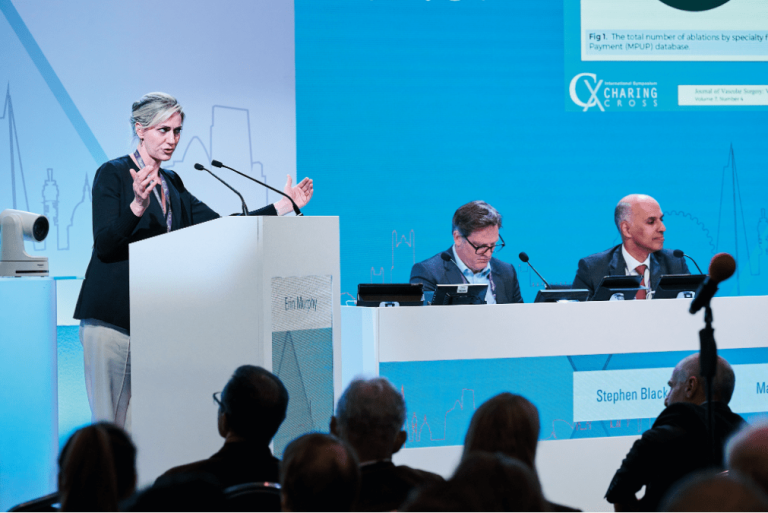
Venous disease care has a problem with optics in the context of growth in the number of venous procedures and the spectre of inappropriate care, the 2023 Charing Cross (CX) International Symposium (25–27 April, London, UK) heard. The conversation thread…
Study finds anatomic positioning and physical activity type can cause device fatigue in the iliac and iliofemoral veins

A recent multicentre, prospective study has found that stent deformations are greater in the common iliac vein with higher levels of hip flexion, as well as in iliofemoral veins with hyperextension at the superior ramus of the pubis. Their results…